How to Apply Softwash Chemicals Efficiently
Efficient softwash chemical application is about applying the right product, at the right strength, through the right equipment, with enough dwell time to do the work without waste, overspray or unnecessary risk. In practice, that means surveying the surface, choosing suitable softwashing chemicals, protecting surrounding areas, calibrating your application equipment, applying evenly, controlling dwell time, and rinsing or leaving the treatment only where the product and surface allow it.
For UK exterior cleaning contractors, property maintenance teams, facilities managers and serious DIY users, efficiency is not just about speed. It is about safe working, consistent results, controlled chemical use, reduced call-backs, compliance with product labels and better customer outcomes. A well-applied softwash treatment should cover the target surface evenly, remain wet for the required contact time, minimise run-off and avoid damaging plants, metals, coatings, glazing, signage or surrounding materials.
This guide explains how professional softwashing operators apply chemicals efficiently on roofs, render, cladding, patios, walls and commercial property exteriors, while keeping safety and best practice at the centre of the process.
What Does Efficient Softwash Application Really Mean?
Efficient softwash application is the controlled delivery of a chemical solution to a target surface so that it achieves the intended cleaning, sanitising or biocidal effect with minimal waste, minimal reworking and minimal risk.
On site, efficiency usually comes down to five things:
- Correct chemical selection: using a product that matches the contamination and surface.
- Correct dilution or dosing: following product guidance and avoiding unnecessarily strong mixes.
- Even coverage: applying enough solution to wet the surface without flooding it.
- Controlled dwell time: allowing the chemistry time to work while keeping it active.
- Good site control: protecting people, plants, drainage, sensitive materials and neighbouring property.
Many poor softwashing results are not caused by a “weak chemical”. They are caused by poor application: patchy coverage, rushed dwell time, applying in unsuitable weather, failing to pre-wet or protect sensitive areas, or using the wrong nozzle and flow rate for the task.
Understand the Surface Before You Apply Anything
Before choosing a chemical or setting up a pump, identify what you are cleaning and what you are trying to remove. Organic contamination, atmospheric soiling, black algae, lichen, moss, carbon staining, rust staining, lead staining and oil contamination do not all respond to the same chemistry.
Softwashing is most commonly used for organic growth such as algae, mould, mildew, bacteria, moss and lichen staining. If you are unsure which active ingredients are typically used, SoftWash UK’s Knowledge Centre page on softwashing chemicals is a useful starting point.
Key Site Survey Checks
- Surface type: render, brick, stone, concrete, roof tile, painted cladding, uPVC, timber or composite materials.
- Surface condition: cracks, blown render, oxidised paint, loose pointing, failing coatings or friable stone.
- Contamination type: green algae, black staining, moss, lichen, dirt, traffic film, oil, rust or mineral staining.
- Access: ground-based application, water-fed pole, MEWP, scaffold, roof access or rope access where appropriate.
- Drainage: surface water drains, foul drains, soakaways, ponds, planted borders and watercourses.
- Sensitive areas: plants, lawns, painted metal, lead, copper, anodised aluminium, signage, timber and outdoor fabrics.
A proper survey often saves more time than it takes. It helps you avoid applying the wrong product, damaging a vulnerable substrate or underpricing the job because access and protection requirements were missed.
Choose the Right Softwash Chemical for the Job
Efficient application starts with choosing chemistry that suits the surface and contamination. More chemical is not automatically better. In professional work, the aim is to apply the mildest effective approach that delivers the required result safely and consistently.
| Use Case | Typical Requirement | Application Consideration |
|---|---|---|
| Render and exterior walls with algae | Controlled softwash treatment for organic growth | Avoid oversaturation and protect windows, metals, plants and adjacent surfaces. |
| Roof tiles with moss and biological staining | Biocidal treatment or cleaning process suited to roof material | Plan safe access, control run-off and avoid unnecessary pressure on fragile tiles. |
| Patios, paths and hard surfaces | Pre-treatment, post-treatment or maintenance biocide depending on condition | Manage drainage and foot traffic; prevent public access during treatment. |
| Delicate or painted surfaces | Careful compatibility testing and low-pressure application | Always test first; oxidised coatings can mark or streak if treated aggressively. |
| Longer-term biological control | Appropriate biocidal chemistry where permitted by label and use case | Observe label instructions, COSHH controls and environmental precautions. |
Two common professional softwashing actives are sodium hypochlorite and quaternary ammonium biocides such as DDAC. They are not interchangeable in every situation. Each has different strengths, limitations, dwell behaviour, handling requirements and suitability depending on the surface and the desired outcome.
For contractors sourcing professional-grade products, SoftWash UK supplies a range of soft wash chemicals for different exterior cleaning applications. Always read the product label, Safety Data Sheet and any technical guidance before use.
Use Surfactants to Improve Coverage and Reduce Waste
A common reason softwash chemicals are wasted is poor surface contact. On vertical render, cladding, roof tiles or textured masonry, a watery solution can run off too quickly, leaving high spots untreated and low spots over-saturated.
A suitable softwash surfactant helps the solution cling, spread and wet the surface more evenly. This can improve dwell time and reduce the need for repeated applications. It is particularly useful on vertical elevations, roughcast render, roof tiles and surfaces with uneven texture.
Practical Surfactant Tips
- Use only surfactants compatible with your chosen chemical system.
- Do not assume household detergents are suitable for softwashing.
- Avoid excessive foaming if it makes rinsing, visibility or containment harder.
- Mix according to product instructions; overdosing surfactant can cause residue or unnecessary rinsing.
- Use test patches on sensitive or previously coated surfaces.
For chemical cling and coverage, Clever Wash Surfactant is designed for softwashing applications where controlled wetting and dwell are important. The benefit is not simply “making foam”; it is helping the active solution stay where you apply it long enough to work.
Select the Most Efficient Application Equipment
The best application equipment depends on the size of the job, the chemical being applied, access, required flow rate and level of control. A small domestic wall does not need the same set-up as a commercial cladding elevation or a large roof treatment.
| Application Method | Best Suited For | Advantages | Limitations |
|---|---|---|---|
| Pump-up sprayer | Small areas, test patches, detail work | Low cost, simple, portable | Slow on larger jobs; inconsistent pressure if not maintained |
| 12V softwash system | Domestic and light commercial work | Good flow, controlled pressure, efficient coverage | Requires chemical-resistant components and regular maintenance |
| Proportioning or injection system | Repeatable dosing and larger workflows | Reduces manual mixing and improves consistency | Needs calibration and operator understanding |
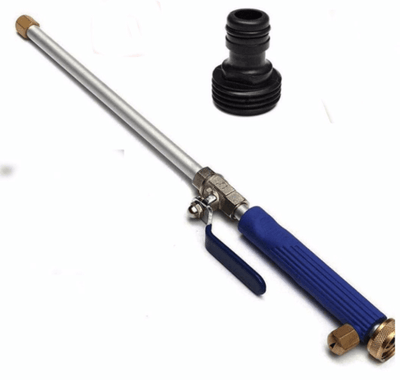
| Water-fed pole softwash nozzle | Controlled application from ground level | Useful reach and reduced need for ladders | Flow, droplet size and overspray must be managed carefully |
| Air diaphragm system | Larger professional set-ups | High durability and output when specified correctly | Higher investment and more complex setup |
SoftWash UK supplies soft washing equipment designed for professional application, including systems and accessories that help contractors apply chemicals consistently and safely. The key is not buying the biggest pump; it is choosing equipment that gives the correct flow, reach and control for the type of work you undertake.
Why Calibration Matters
Many operators skip calibration, then wonder why their results vary from job to job. Calibration tells you what your equipment is actually delivering. This is especially important when using injectors, proportioners, long hose runs, different nozzle sizes or changing chemical viscosity with surfactants.
As a basic professional habit, check:
- Flow rate at the nozzle.
- Spray pattern and droplet size.
- Draw rate on injection systems.
- Pressure loss through long hoses.
- Compatibility of seals, hoses, pumps and fittings with the chemical used.
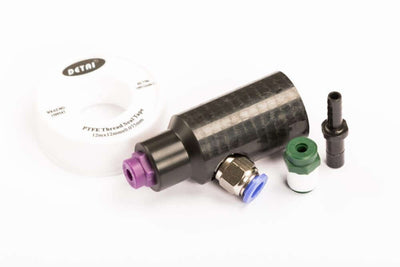
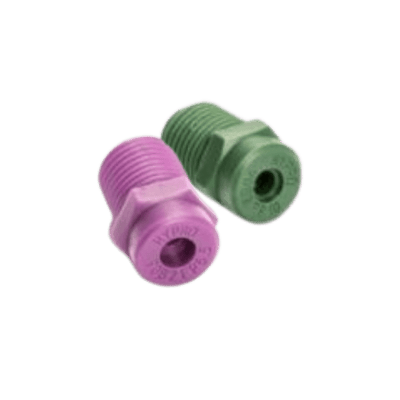
A chemical-resistant nozzle, such as a purpose-made water fed pole softwash nozzle, can help improve controlled application at height when used as part of a suitable system and method statement.
Step-by-Step: How to Apply Softwash Chemicals Efficiently
1. Complete a Risk Assessment and Method Statement
Before starting, assess the site properly. For commercial sites, schools, healthcare premises, housing associations and managed properties, facilities managers will often expect formal documentation. Even on domestic work, a written method improves professionalism and reduces mistakes.
Your assessment should consider:
- Public access and exclusion zones.
- Chemical handling, storage and transport.
- PPE requirements.
- Working at height controls.
- Drainage and environmental protection.
- Emergency procedures and spill response.
- Weather conditions, including wind drift and rain risk.
For contractors who need structured documentation, a professional Risk Assessment and Method Statement pack for exterior cleaning can help standardise planning and demonstrate a responsible approach to clients.
2. Prepare the Area and Protect Sensitive Materials
Efficient softwashing is not just about spraying faster. Good preparation prevents damage and saves time later. Move furniture, vehicles, bins, planters and signage where possible. Cover or shield sensitive items. Pre-wet plants and surrounding vegetation where appropriate, and continue to monitor them during the job.
Pay particular attention to:
- Leadwork, copper, brass and other reactive metals.
- Powder-coated frames and oxidised aluminium.
- Painted doors, timber features and stained decking.
- Ponds, water butts and drainage channels.
- Electrical fixtures, cameras, intercoms and external sockets.
If overspray could affect neighbouring property, vehicles or public areas, stop and redesign the method. Do not rely on luck or a light wind staying light.
3. Mix or Dose According to Product Guidance
Never guess chemical strength. Follow manufacturer instructions and only use products for their intended application. If using concentrated products, add and dilute in the correct order specified by the supplier, use suitable containers, and label working solutions clearly.
Important safety points:
- Never mix sodium hypochlorite with acids, ammonia-based products or incompatible cleaners.
- Use appropriate PPE such as chemical-resistant gloves, eye protection and suitable clothing.
- Have clean water available for rinsing accidental splashes.
- Keep chemicals away from children, pets and unauthorised persons.
- Store products securely and in accordance with label and SDS guidance.
If you are using sodium hypochlorite for soft washing, remember that strength can degrade over time, especially with heat, sunlight and poor storage. Old chemical may not perform as expected, causing operators to overapply and waste product.
4. Test a Small Area First
A test patch is one of the most efficient habits in softwashing. It confirms chemical compatibility, dwell behaviour and likely result before you commit to the full elevation or surface.
Test patches are especially important on:
- Coloured render.
- Painted cladding.
- Natural stone.
- Timber.
- Older bricks and lime mortar.
- Previously sealed or coated surfaces.
Allow the test area enough time to respond. Some treatments show immediate visual improvement; others continue working over days or weeks depending on chemistry and contamination.
5. Apply Evenly, Not Excessively
The aim is to wet the surface evenly without flooding it. On vertical surfaces, controlled application from the lower section upwards can help reduce streaking caused by runs through dry contamination. Rinsing, where required, is usually managed from the top down.
Keep the nozzle moving smoothly and overlap passes slightly. Avoid “hot spots” where the lance pauses and deposits too much chemical in one area. If the surface dries before the dwell time is complete, a light reapplication may be more effective than applying a heavy coat at the start.
6. Manage Dwell Time Properly
Dwell time is the contact period that allows the chemistry to do the work. Too little dwell often causes poor results and repeat applications. Too much dwell, especially in direct sun or windy conditions, can allow product to dry on the surface and increase the risk of residue or marking.
Good dwell management includes:
- Working in manageable sections.
- Avoiding application in strong wind or intense direct sun where possible.
- Keeping the surface damp when the product requires active wet contact.
- Watching for run-off and pooling.
- Following label instructions for rinse or no-rinse applications.
7. Rinse, Neutralise or Leave to Work Where Appropriate
Not every softwash chemical is used in the same way. Some products require a rinse after dwell. Others may be designed to remain on the surface as a longer-acting biocidal treatment, provided the label and site conditions allow it.
Do not create a blanket rule such as “always rinse” or “never rinse”. The correct decision depends on product instructions, surface type, client requirements, drainage controls and environmental considerations.
8. Inspect the Finish and Record What Was Done
After application, inspect the surface from different angles and distances. Look for missed patches, streaks, excessive run marks, residue or areas needing a second controlled treatment. For professional work, record the product used, approximate dilution or dosing method, weather conditions, dwell time and any client advice given.
This information is valuable if the client asks follow-up questions or if you return for maintenance cleaning months later.
Best Practice for Different Surfaces
Render and K Rend Style Finishes
Render can clean very well with softwashing, but it can also reveal poor application quickly. Patchy spraying, harsh pressure washing and uncontrolled run-off may leave visible lines. Use low pressure, even coverage and suitable dwell. Always consider the age, colour and condition of the render before treatment.
Roofs
Roof softwashing requires careful planning. Safe access, fall prevention, tile condition and run-off control are just as important as chemical choice. Moss removal, biocidal treatment and roof cleaning methods should be selected based on the roof material and client expectations. Avoid walking fragile roofs unless a safe system of work is in place.
Cladding and Commercial Elevations
Commercial cladding often includes coated metals, seals, signage, vents and sensitive architectural finishes. Facilities managers will usually expect RAMS, SDS information and clear communication about public exclusion zones. Work in planned sections and control overspray carefully, especially near car parks and pedestrian routes.
Patios, Paths and Driveways
Hard surfaces can often be treated efficiently, but drainage is the key issue. Prevent chemical entering unsuitable drains, ponds or watercourses. Keep members of the public, children and pets away from treated areas until safe for re-entry according to product guidance.
Common Mistakes That Waste Chemical and Reduce Results
- Using too much pressure: softwashing relies on chemistry and dwell, not blasting the surface.
- Applying in poor weather: wind causes drift; rain may dilute or remove product too soon; strong sun can dry it too quickly.
- Skipping the test patch: this can lead to staining, colour change or unexpected surface reaction.
- Overmixing chemicals: stronger is not always safer, faster or more professional.
- Ignoring dwell time: rinsing too soon often causes unnecessary second applications.
- Poor plant protection: vegetation damage is one of the most avoidable softwashing complaints.
- Using incompatible equipment: unsuitable pumps, seals and fittings can fail when exposed to softwash chemicals.
- Not communicating with the client: some treatments continue improving after the visit, and the client should understand the expected timeline.
Softwashing Myths That Lead to Inefficient Application
Myth 1: Stronger Chemical Always Cleans Better
In reality, the correct chemistry, dwell time, temperature, surface preparation and application method usually matter more than simply increasing strength. Over-application increases risk, cost and potential damage.
Myth 2: Foam Means the Product Is Working
Foam can help visibility and cling, but foam alone is not proof of cleaning performance. Some effective treatments do not produce dramatic foam. The important factors are wetting, contact time and compatibility with the surface.
Myth 3: Softwashing Means No Rinsing Is Ever Needed
Some biocidal treatments are left to work; others require rinsing. Rinsing decisions should be based on product instructions, site risk and surface requirements, not a general rule.
Myth 4: Any Sprayer Will Do
Chemical compatibility matters. Inexpensive sprayers may be useful for small test areas, but professional work requires equipment that can handle the chemical, provide consistent flow and be maintained safely.
Safety, Compliance and Professional Responsibility
Softwash chemicals can be highly effective, but they must be respected. Contractors should be familiar with COSHH assessment, product labels, Safety Data Sheets, PPE selection, environmental protection and safe storage. Facilities managers should also ensure that contractors can provide suitable documentation and demonstrate competent working methods.
At minimum, a professional approach should include:
- Product-specific SDS available on site or accessible digitally.
- COSHH assessment for the products used.
- Clear RAMS for the task and site.
- Suitable PPE for mixing, application and rinsing.
- Secure chemical storage and transport.
- Emergency spill and exposure procedures.
- Drainage and environmental controls.
For a deeper understanding of chemical use, equipment selection and safe processes, SoftWash UK’s softwashing chemistry and equipment hub brings together educational resources for contractors who want to build a more structured knowledge base.
How to Improve Efficiency on Professional Softwashing Jobs
Small improvements in workflow can make a major difference across a full day of exterior cleaning. Efficient operators tend to develop consistent systems rather than making decisions from scratch on every job.
Practical Efficiency Tips
- Batch your setup: organise hoses, PPE, mixing equipment and protection materials before starting.
- Work in sections: apply only as much as you can manage within the required dwell time.
- Use the right nozzle: match spray pattern to the surface and wind conditions.
- Control access first: cones, barriers and signage prevent interruptions and improve site safety.
- Keep records: note what worked well so repeat maintenance visits are faster and more predictable.
- Maintain equipment: flush, inspect and replace worn fittings before they fail on site.
- Train staff properly: inconsistent operators create inconsistent results.
If you want to see how professional softwashing training is structured before committing to the full programme, you can try selected lessons from the SoftWash UK course for free. It is a useful way to preview the training and understand the standards, safety thinking and practical approach behind professional softwashing.
Frequently Asked Questions
How do you apply softwash chemicals evenly?
Use suitable low-pressure application equipment, choose the correct nozzle, work in controlled sections and overlap spray passes slightly. The surface should be evenly wetted without flooding. Surfactants can help improve cling and reduce rapid run-off, especially on vertical or textured surfaces.
What is the best equipment for applying softwash chemicals?
For small areas, a chemical-resistant pump sprayer may be sufficient. For professional exterior cleaning, 12V systems, proportioning units, chemical-resistant pumps and water-fed pole softwash nozzles are commonly used. The best set-up depends on the job size, access, chemical type and required control.
Should you rinse after applying softwash chemicals?
It depends on the product, surface and site conditions. Some softwash treatments require rinsing after dwell; others are intended to remain on the surface as a longer-acting treatment. Always follow the product label and consider drainage, surface sensitivity and environmental controls.
How long should softwash chemicals dwell?
Dwell time varies by product, contamination level, weather and surface type. The product label or technical guidance should always be followed. In general, the surface needs enough wet contact time for the chemistry to work, but it should not be allowed to dry where the instructions require active wet dwell.
Can softwash chemicals damage plants?
Yes, if used carelessly. Plant protection is essential. Pre-wetting, shielding, controlled application, run-off management and post-rinsing surrounding vegetation where appropriate can all reduce risk. Avoid overspray and never allow concentrated chemical to contact plants.
Is softwashing safe for render?
Softwashing can be suitable for many rendered surfaces when carried out correctly, but the render must be assessed first. Age, colour, coating condition, cracks and previous repairs all matter. Always test a small area and avoid aggressive pressure that can damage the finish.
Can I apply stronger softwash mix to save time?
This is poor practice. Stronger mixes can increase risk, damage surfaces, harm surrounding materials and breach product guidance. Efficient softwashing comes from correct product selection, coverage, dwell and method rather than unnecessary chemical strength.
Conclusion: Efficient Softwash Application Comes From Control
Applying softwash chemicals efficiently is not about spraying as much product as possible. It is about control: understanding the surface, choosing suitable chemistry, using the right equipment, applying evenly, managing dwell time and working safely within UK best practice.
For contractors, this approach reduces waste, improves results, protects clients’ property and strengthens your reputation. For facilities managers and property maintenance professionals, it helps you assess whether a softwashing method is being carried out responsibly. For serious DIY users, it highlights why preparation, safety and product guidance matter just as much as the chemical itself.
SoftWash UK supports the industry with professional softwashing chemicals, equipment, training and educational resources. If you want to improve your application methods, explore suitable products or build a safer, more consistent softwashing process, visit SoftWash UK for further guidance and practical resources.