How Often Should a Roof Be Cleaned?
Most roofs in the UK should be inspected at least once a year and professionally cleaned every 3 to 5 years, depending on moss growth, shade, roof material, location and drainage performance. In high-risk locations, such as shaded north-facing roofs, properties under trees, coastal buildings, schools, care homes and commercial sites, roof cleaning or biocidal treatment may be needed every 2 to 3 years. Low-risk roofs with good sunlight, minimal tree cover and effective drainage may only need cleaning every 5 to 7 years.
For exterior cleaning contractors, facilities managers, property maintenance teams and serious DIY users, the better question is not simply “how often?” but “what condition is the roof in, and what level of intervention is actually needed?” A roof covered in moss may require manual moss removal followed by a controlled softwash biocide treatment. A lightly colonised roof may only need a preventative treatment. A fragile or historic roof may need a much more cautious approach.
This guide explains how often roofs should be cleaned in real UK conditions, what affects cleaning frequency, how to assess a roof safely, and how to build a sensible maintenance schedule using best-practice exterior cleaning methods.
Quick Answer: Roof Cleaning Frequency by Situation
| Roof Condition or Setting | Recommended Inspection Frequency | Typical Cleaning or Treatment Frequency | Notes |
|---|---|---|---|
| Light moss, good sunlight, minimal trees | Annually | Every 5 to 7 years | Often suitable for preventative biocide treatment rather than aggressive cleaning. |
| Moderate moss or algae growth | Annually | Every 3 to 5 years | Common on UK residential and commercial pitched roofs. |
| Heavy moss, shaded roof, nearby trees | Every 6 to 12 months | Every 2 to 3 years | Manual moss removal and follow-up treatment are usually required. |
| Facilities, schools, care homes and public buildings | Every 6 to 12 months | Usually every 2 to 4 years | Risk management, blocked gutters and slip hazards are key concerns. |
| Historic, fragile or delicate roof coverings | Specialist inspection annually | Only when needed | Avoid unnecessary disturbance. Use conservation-led methods. |
Why Roofs Need Cleaning in the UK
The UK climate is ideal for biological growth. Regular rainfall, mild temperatures, overcast conditions and long periods of surface dampness encourage moss, algae, lichen and organic soiling to colonise roof surfaces.
Roof cleaning is not just about appearance. Excessive organic growth can contribute to practical maintenance problems, including:
- Blocked gutters, downpipes and gullies from moss debris.
- Water tracking under tiles where moss lifts laps or edges.
- Increased moisture retention on porous tiles.
- Extra loading on older roofs when moss becomes saturated.
- Slippery debris falling onto paths, patios and access areas.
- Poor presentation for managed estates, commercial premises and rental properties.
- More frequent reactive maintenance where gutters need repeated clearance.
For facilities managers and property maintenance professionals, the main objective is often to prevent drainage issues, reduce call-outs and protect the building fabric. For contractors, it is about recommending the right cleaning frequency without overselling unnecessary work.
What Determines How Often a Roof Should Be Cleaned?
There is no single fixed interval that applies to every roof. A roof cleaning schedule should be based on risk factors, roof condition and the client’s maintenance objectives.
1. Shade and Roof Orientation
North-facing and shaded roof slopes usually remain damp for longer. This makes them more likely to develop moss, algae and lichen. South-facing roofs often dry faster in sunlight and may stay cleaner for longer.
On many UK properties, one elevation can be heavily colonised while the opposite side remains relatively clean. Contractors should assess each roof slope individually rather than quoting based only on total roof size.
2. Tree Cover and Organic Debris
Overhanging trees increase the amount of leaf litter, seed fall, sap, bird activity and shade. They also reduce air movement and sunlight. This combination often shortens the interval between roof cleaning visits.
Properties under trees may need gutter clearance every 6 months and roof moss monitoring annually, even if full roof cleaning is only required every 2 to 4 years.
3. Roof Material
Different roof coverings respond differently to biological growth and cleaning methods.
| Roof Material | Typical Cleaning Considerations | Best-Practice Approach |
|---|---|---|
| Concrete tiles | Commonly affected by moss and surface weathering. | Manual moss removal followed by suitable biocide treatment where appropriate. |
| Clay tiles | Can be durable but may be fragile, especially on older roofs. | Low-disturbance cleaning and careful access planning. |
| Natural slate | Often delicate; fixings may be aged or corroded. | Specialist assessment, minimal foot traffic and controlled treatment. |
| Man-made slate | Varies depending on age and manufacturer. | Check condition before any cleaning or treatment. |
| Metal roofs | May suffer from coating degradation, staining or organic film. | Use compatible cleaning solutions and avoid damaging protective coatings. |
4. Local Environment
Coastal sites, rural properties, urban pollution zones and industrial estates all present different cleaning challenges. Coastal roofs may experience salt deposits and accelerated corrosion on metal fixings. Rural roofs may receive more organic debris and bird contamination. Urban roofs may develop carbon staining and grime that can hold moisture.
5. Gutter and Drainage Performance
A roof covered in moss is more likely to shed debris into gutters. Once gutters block, water can overflow onto fascia boards, brickwork, render, paths and entrances. For managed buildings, blocked drainage is often the first sign that roof cleaning frequency needs reviewing.
6. Previous Cleaning Method
A roof that has only been scraped but not treated may regrow quickly because spores and root structures remain. A roof that has been cleaned and treated with an appropriate biocide will usually stay cleaner for longer, provided the treatment has been applied correctly and the building conditions are not unusually severe.
Inspection Versus Cleaning: Do Not Confuse the Two
Roofs should generally be inspected more often than they are cleaned. An annual inspection does not mean annual cleaning is required.
A practical inspection should check:
- Levels of moss, algae, lichen and organic soiling.
- Blocked gutters, valleys and drainage outlets.
- Signs of slipped, cracked or damaged tiles.
- Debris accumulation around chimneys, dormers and roof windows.
- Public access risks from falling debris or slippery areas below.
- Whether previous treatment is still suppressing regrowth.
For contractors, this is where professionalism matters. A clear inspection report with photographs helps clients understand whether they need full cleaning, spot treatment, gutter clearance or simply monitoring.
Recommended Roof Cleaning Schedule for UK Properties
Residential Properties
For most domestic roofs, a sensible schedule is:
- Annual visual inspection from ground level, drone, tower or safe access method.
- Gutter clearance once or twice a year depending on surrounding trees.
- Roof cleaning every 3 to 5 years where moss growth is moderate.
- Preventative biocide treatment every 2 to 4 years where regrowth is recurring.
Serious DIY users should be cautious. Working at height is the biggest risk in roof cleaning. In many cases, the safest DIY role is inspection from the ground, gutter maintenance from suitable access equipment, and knowing when to bring in a competent contractor.
Commercial and Facilities Management Sites
Commercial properties, public buildings, schools, care homes, retail units and managed estates often need a more structured maintenance programme.
A typical facilities schedule could include:
- Six-monthly roof and drainage inspections.
- Planned gutter and valley clearance before autumn and after heavy leaf fall.
- Roof condition reporting with photographic records.
- Biocide treatment cycles based on site risk and previous regrowth rates.
- RAMS, COSHH documentation, public protection planning and access control.
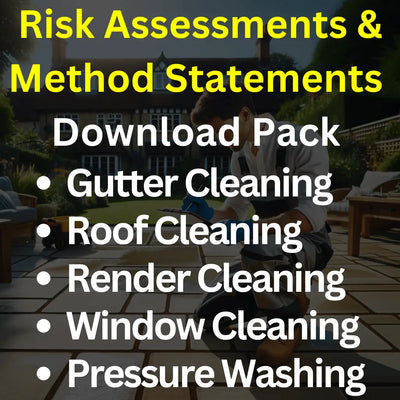
For contractors working on these sites, professional documentation is essential. SoftWash UK supplies a Risk Assessment and Method Statement Pack for Exterior Cleaning, which can help businesses structure safer, more consistent paperwork for exterior cleaning projects.
What Is the Best Method for Cleaning a Mossy Roof?
The best method depends on the roof covering, condition, access, contamination and client expectations. However, for many UK roofs, a responsible process involves controlled manual moss removal followed by an appropriate softwash or biocidal treatment.
Typical Professional Roof Cleaning Process
- Initial survey: Assess roof condition, access, fragile areas, drainage, surrounding surfaces and environmental risks.
- Choose the access method: This may include scaffold, mobile tower, MEWP, roof ladder systems, water-fed pole equipment or other safe systems of work.
- Prepare the site: Protect plants, cover sensitive surfaces, divert or manage runoff where required, and control public access.
- Remove bulk moss: Use suitable roof-safe scrapers, brushes or pole systems to remove heavy moss without damaging tiles.
- Clear gutters and valleys: Remove debris created during cleaning so drainage is fully functional.
- Apply treatment: Use an appropriate professional biocide or softwash solution according to label instructions, site conditions and compliance requirements.
- Final checks: Inspect gutters, downpipes, overspray risks, surrounding areas and client access routes.
- Aftercare advice: Explain that some treatments work over time and that visual improvement may continue for weeks or months.
For roof moss control, products such as Clean Guard Pro may be relevant where a professional roof moss killer and cleaner is required as part of a planned maintenance approach. For broader exterior cleaning applications, SoftWash UK also supplies a range of soft wash chemicals used by trained contractors across different surfaces and requirements.
Softwashing, Pressure Washing and Biocide Treatment: Which Lasts Longest?
Cleaning frequency is heavily influenced by the method used. A roof that is only pressure washed may look clean immediately, but if biological contamination is not properly treated, regrowth can return sooner. High-pressure washing can also be unsuitable for many pitched roofs because it may damage tiles, force water beneath laps or disturb the roof surface.
| Method | Typical Use | Advantages | Limitations |
|---|---|---|---|
| Manual moss removal | Removing heavy moss deposits before treatment. | Low water use, controlled, reduces debris quickly. | Does not fully treat spores or staining on its own. |
| Softwashing | Controlled chemical cleaning and biological treatment. | Can treat organic growth at source when used correctly. | Requires training, correct dilution, PPE and environmental controls. |
| Biocide treatment | Ongoing moss, algae and lichen control. | Often provides longer-lasting suppression of regrowth. | Results may develop gradually and depend on conditions. |
| Pressure washing | Limited specialist scenarios where surface and method are suitable. | Immediate visual removal of surface dirt. | Can damage roofs if misused and may not control regrowth. |
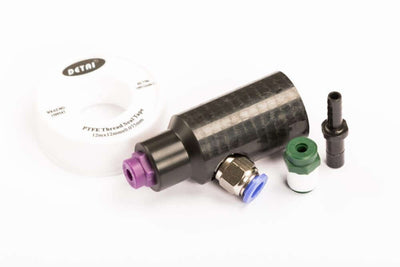
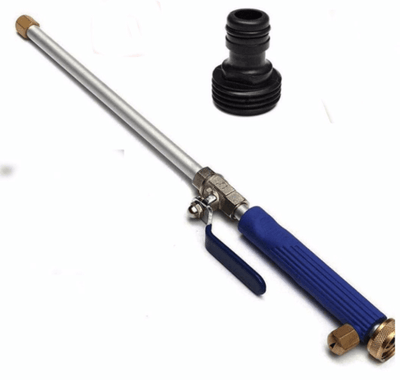
For many contractors, the most reliable long-term approach is mechanical removal of heavy moss followed by a suitable treatment. Water-fed pole equipment and application tools can help reduce unnecessary roof access. SoftWash UK supplies professional softwashing equipment, including tools designed to support safer and more controlled exterior cleaning workflows.
Safety and Best Practice for Roof Cleaning
Roof cleaning is a high-risk activity. The hazards are not limited to the person carrying out the work. Clients, pedestrians, staff, residents, vehicles, landscaping, pets, drainage systems and neighbouring properties can all be affected if the job is poorly planned.
Key Safety Considerations
- Work at height: Follow the hierarchy of control. Avoid roof access where possible, use the safest practical access method, and never rely on ladders alone for extended roof work.
- PPE: Use appropriate gloves, eye protection, footwear, coveralls and respiratory protection where required by the product and task assessment.
- COSHH: Understand the products being used, their hazards, dilution rates, storage requirements and emergency procedures.
- Runoff control: Manage chemical runoff, protect watercourses and avoid uncontrolled discharge into sensitive areas.
- Plant protection: Pre-wet, cover or rinse vegetation where appropriate and follow product guidance.
- Public protection: Use barriers, signage and exclusion zones, especially on commercial or public-facing sites.
- Weather: Avoid cleaning in high winds, heavy rain, freezing conditions or extreme heat.
Contractors who want to improve competence, reduce errors and work to a more professional standard should consider structured training. The Soft Wash Training Course from SoftWash UK is designed to help exterior cleaners understand chemical use, application methods, safety considerations and professional softwashing practice.
For compliance-focused businesses, the HSE Soft Washing Full Collection can also support better understanding of documentation, legal responsibilities and best-practice procedures.
Common Mistakes When Deciding Roof Cleaning Frequency
Mistake 1: Waiting Until Gutters Overflow
If the first sign of a roof problem is water spilling over the gutters, maintenance has already become reactive. Regular inspection is cheaper and easier to manage than emergency drainage repair.
Mistake 2: Cleaning Too Aggressively
Not every dirty roof needs harsh cleaning. Over-cleaning or using the wrong method can cause more harm than the moss itself. Fragile tiles, old fixings and weathered surfaces need a careful approach.
Mistake 3: Assuming All Moss Is Urgent
Small patches of moss are not always an emergency. The risk increases when moss becomes thick, holds moisture, blocks gutters, lifts tiles or falls onto access routes.
Mistake 4: Quoting Without Inspecting the Roof
Contractors should avoid giving fixed recommendations based only on property type. A shaded 10-year-old roof may need cleaning sooner than a 40-year-old roof in full sun. Good diagnosis leads to better results and fewer disputes.
Mistake 5: Ignoring Treatment After Moss Removal
Scraping off moss improves appearance and reduces bulk debris, but it may not provide lasting biological control. A suitable follow-up treatment is often what extends the cleaning cycle.
Roof Cleaning Myths
Myth: A Roof Should Be Cleaned Every Year
Most roofs do not need full cleaning every year. Annual inspection is sensible, but annual cleaning may be unnecessary and could increase wear if done aggressively.
Myth: Pressure Washing Is Always the Fastest and Best Option
Pressure washing can be inappropriate for many roof coverings. It may strip surface material, force water beneath tiles or create unnecessary mess. Safer alternatives often provide better long-term results.
Myth: Moss Protects Roof Tiles
Moss does not protect tiles. It holds moisture, adds organic load and contributes to blocked drainage. While a small amount may not be urgent, heavy growth should be managed.
Myth: Once Cleaned, a Roof Will Stay Clean Permanently
Roofs are exposed to weather, spores, pollution and organic debris every day. Cleaning and treatment can extend the maintenance cycle, but no external surface remains clean indefinitely.
How Contractors Can Build a Roof Maintenance Plan
A planned maintenance approach is better for clients and contractors. It reduces emergency work, protects the property and creates predictable service intervals.
Step-by-Step Maintenance Planning
- Record the baseline condition: Photograph all elevations, gutters, valleys and high-risk areas.
- Identify risk factors: Note shade, trees, orientation, access, roof covering and drainage layout.
- Set inspection intervals: Use annual inspections for most roofs and six-monthly checks for high-risk sites.
- Decide on cleaning threshold: Agree what level of moss, debris or staining will trigger action.
- Choose the method: Match manual removal, softwashing or biocide treatment to the roof condition.
- Document safety controls: Prepare RAMS, COSHH assessments, access plans and site-specific controls.
- Review after treatment: Check results over time and adjust the future cleaning interval accordingly.
SoftWash UK’s Softwashing Knowledge Hub is a useful educational resource for contractors who want to build their understanding of softwashing methods, chemicals, equipment and exterior cleaning best practice.
When Is the Best Time of Year to Clean a Roof?
Roof cleaning can be carried out at different times of the year, but conditions matter. Spring and early autumn are often practical because temperatures are moderate and there is enough biological activity for treatments to work effectively. However, contractors must consider weather forecasts, wind, rain, frost and site-specific safety.
Avoid roof cleaning when:
- High winds increase overspray or access risks.
- Heavy rain will wash treatment away too quickly.
- Freezing conditions create slip hazards.
- Extreme heat causes rapid drying and inconsistent dwell time.
- Public access cannot be controlled safely.
For facilities managers, roof and gutter inspections before autumn leaf fall and after winter storms can be particularly valuable.
FAQ: How Often Should a Roof Be Cleaned?
How often should a mossy roof be cleaned?
A mossy roof typically needs cleaning every 3 to 5 years, but heavily shaded roofs or properties under trees may need attention every 2 to 3 years. Annual inspections help determine whether full cleaning, partial moss removal or biocide treatment is required.
Should roof moss be removed immediately?
Not always. Light moss growth may simply need monitoring. Heavy moss should be addressed when it blocks gutters, holds moisture, lifts tile edges, falls onto paths or affects building maintenance. The decision should be based on risk, not appearance alone.
Is softwashing suitable for roof cleaning?
Softwashing can be suitable for many roof cleaning and treatment tasks when carried out by trained users with the correct product, dilution, PPE, runoff control and surface assessment. It is not a substitute for proper access planning or roof condition inspection.
Can I pressure wash my roof?
Pressure washing is not recommended for many pitched roofs because it can damage tiles, disturb coatings and force water beneath laps. In some specialist situations it may be used carefully, but most roof cleaning projects benefit from lower-impact methods such as manual moss removal and controlled treatment.
How long does roof biocide treatment last?
Biocide treatment longevity depends on the product, application, roof material, weather exposure, shade and local environment. In typical UK conditions, a well-applied treatment may help suppress regrowth for several years, but shaded or tree-covered roofs will usually require more frequent monitoring.
Do clean roofs improve property value?
A clean, well-maintained roof can improve kerb appeal and reassure buyers, tenants or building users that the property is being maintained. However, roof cleaning should be carried out correctly. Damage caused by poor cleaning methods can be far more costly than the original moss growth.
Conclusion: Clean Roofs Based on Condition, Not Guesswork
As a practical rule, most UK roofs should be inspected yearly and cleaned every 3 to 5 years. High-risk roofs may need treatment every 2 to 3 years, while low-risk roofs may go longer. The right schedule depends on shade, trees, roof material, drainage, building use and previous treatment history.
For contractors and property professionals, the most professional approach is to inspect, document, assess risk and recommend the least aggressive method that achieves the maintenance objective. In many cases, that means controlled moss removal followed by an appropriate softwash or biocide treatment, supported by safe access planning and proper compliance documentation.
SoftWash UK supports the exterior cleaning industry with professional chemicals, equipment, training and educational resources for safe and responsible softwashing. To improve your roof cleaning knowledge, compare suitable products or develop a more professional maintenance process, visit SoftWash UK, explore the soft wash chemical range, review professional softwashing equipment, or consider the Soft Wash Training Course for structured industry learning.