Driveway Cleaning: Essential Guide for Professionals and DIY Enthusiasts

Maintaining a clean driveway is crucial for enhancing kerb appeal and prolonging the life of your paving. Whether you're a professional exterior cleaner or a dedicated DIY enthusiast, understanding the most effective methods and safest practices for driveway cleaning can make all the difference. In this guide, we'll explore practical tips, essential tools and the benefits of employing professional-grade products.
Why Regular Driveway Cleaning Matters
Driveways endure a lot of wear and tear, from weather exposure to oil stains and algae growth. Regular cleaning not only improves aesthetics but also prevents damage and degradation. A well-maintained driveway can last significantly longer, saving homeowners and businesses considerable repair costs.
Effective Techniques for Driveway Cleaning
There are several methods to clean driveways effectively. Each technique has its own set of benefits and is suitable for different types of stains and driveway materials.
Softwashing
Softwashing is a low-pressure alternative to pressure washing. It uses a combination of cleaning solutions and gentle water pressure to remove algae, mildew, and dirt. This approach is ideal for preserving the integrity of the driveway surface.
- Use appropriate softwash chemicals to target specific stains.
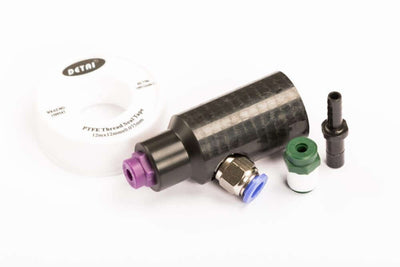
- Consider investing in specialised equipment for optimal results.
Pressure Washing
Pressure washing is a popular method due to its effectiveness at removing tough stains, grime and moss. However, it requires caution to avoid damaging surfaces.
- Use a washer with adjustable pressure to suit different materials.
- Maintain a safe distance to prevent surface etching.
Choosing the Right Cleaning Products
The choice of cleaning product plays a pivotal role in achieving a clean and damage-free driveway.
| Product | Use |
|---|---|
| Soft Wash Pro 50 DDAC | Effective against algae and mould. |
| Clever Wash Surfactant | Enhances cleaning results with softwashing. |
Safety and Best Practices
Safety must always be a priority when engaging in driveway cleaning. Follow these guidelines to ensure a safe and efficient cleaning process:
- Wear appropriate protective gear, including gloves and goggles.
- Ensure the area is well ventilated and free of obstructions.
- Follow the manufacturer's instructions for all chemical products.
- Use caution when handling high-pressure equipment.
Frequently Asked Questions
How often should I clean my driveway?
It's recommended to clean your driveway at least once a year. However, properties in shaded or damp areas might require more frequent cleaning to prevent algae build-up.
Can I use household bleach for driveway cleaning?
While household bleach can remove surface stains, it may not be effective against deeper mould or algae. Professional-grade biocides are more suitable for sustainable results.
What's the safest way to clean my driveway without damaging it?
Softwashing is considered the safest method for most surfaces when done correctly, as it minimises the risk of damage while effectively removing contaminants.
Conclusion
Driveway cleaning is an essential maintenance task for both aesthetic and functional purposes. By choosing the right cleaning method and products, you can protect your driveway and enhance its appearance. Whether conducting a DIY clean or providing professional services, understanding the nuances of driveway cleaning can ensure perfect results every time.
For access to high-quality chemicals, advanced equipment, and professional training to elevate your cleaning practice, visit SoftWash UK. Empower your business with leading solutions designed for superior performance.